(+84) 909 898 758
 info@porticoandbridge.com

Spanish Culture: History and Customs
Spain, a land pulsating with passionate Flamenco dances, thrilling bullfights, and timeworn architectural marvels, entices travelers not only with its scenic beauty but also with its unique customs and traditions that embody its rich cultural heritage. Let’s embark on a journey through the distinctive cultural facets of this land of toros to uncover the fascinating treasures it holds within.
A Tapestry of History: Spain’s Cultural Journey Through Time
Spain’s cultural history traces its roots back to prehistoric times, evident in the renowned cave paintings of Altamira and Lascaux. Over millennia, the Iberian Peninsula has witnessed the transformations and influences of diverse cultures, including:
-
Celts: The Celtic legacy is imprinted in the language, music, and traditions of the Galicia and Asturias regions.
-
Romans: The Roman Empire held sway over the Iberian Peninsula for centuries, shaping its language, law, architecture, and art.
-
Visigoths: The Visigoths introduced Christianity and new customs to the peninsula.
-
Moors: The Moorish invasion in the 8th century brought about a unique cultural fusion between Spain and the Arab world, influencing architecture, art, and science.
-
Reconquista and Renaissance: The successful Reconquista (Reconquest) pushed the Moors out of the Iberian Peninsula, ushering in an era of cultural flourishing in literature, art, and architecture.
Discover the Unique Customs and Traditions of Spain
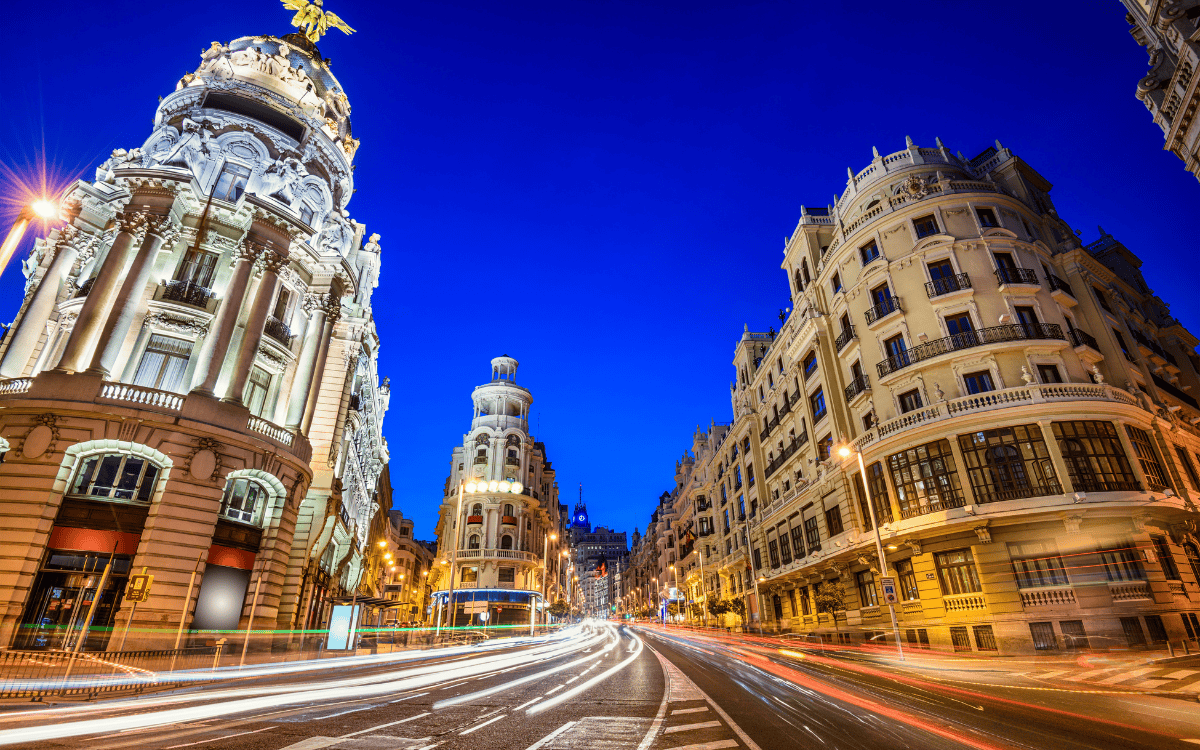
Siesta – A Distinctive Afternoon Nap
Siesta is a quintessential cultural trait of Spain. Around 2 pm to 4 pm each day, shops and businesses close down, and the streets become deserted. This is the time for Spaniards to take a break, have lunch, and enjoy a short nap. Siesta helps them regain their energy and spirit after a strenuous morning of work, and prepares them for an efficient afternoon.
Handshake and Cheek Kiss: A Typical Spanish Greeting
A handshake and cheek kiss are the most common greetings in Spain, expressing friendliness, openness, and respect. However, the way it is done may vary depending on the region and the relationship between the greeters.
Number of Cheek Kisses:
- Madrid: Kiss cheeks twice, left then right.
- Barcelona: Kiss cheeks four times, twice on each side.
- Valencia: Kiss cheeks twice, left then right.
- Southern Spain: Kiss cheeks once on each side.
General Rules:
- Elderly: It is considered polite to greet the elderly first.
- Gender: Men usually initiate greeting women first.
- Close relationships: Friends and family members often kiss cheeks more than acquaintances.
Note:
- Maintain eye contact while kissing cheeks.
- Kiss cheeks gently, not too hard.
- If you are unfamiliar with this custom, you can offer a handshake instead of a kiss.
- Cheek kisses are usually reserved for women and children, while men usually just shake hands.
In the context of the pandemic, you can replace the cheek kiss with a smile and a nod. In some cases, such as funerals or formal events, people may only shake hands instead of kissing cheeks.
Lifestyle
Spanish people typically have a relaxed and easygoing lifestyle. They enjoy spending time with family and friends, and engaging in recreational activities. Vietnamese people tend to be hardworking and thrifty.
Religion
Roman Catholicism is the official religion of Spain, with many ancient churches and monasteries. Religious festivals are also held regularly, attracting large crowds of participants. In Vietnam, there are many different religions, such as Buddhism, Catholicism, Protestantism, etc.
The important meal of the day

The Spanish people hold food in high regard. Spanish cuisine is a delicate blend of fresh ingredients, Mediterranean spices, and traditional cooking techniques. Spaniards favor dishes such as paella (mixed rice), tapas (small plates), gazpacho (cold tomato soup), tortilla española (Spanish omelet), and churros con chocolate (churros dipped in hot chocolate).
A typical Spanish day consists of four meals: desayuno (breakfast), almuerzo (lunch), merienda (afternoon snack), and cena (dinner). The main meal of the day is usually lunch, which takes place between 2:00 PM and 3:00 PM. Lunch typically consists of multiple courses, such as soup, salad, a main dish, and dessert. Dinner is usually lighter and is eaten around 9:00 PM to 10:00 PM.
Tapas – A Unique Culinary Culture
Tapas are small, savory dishes served as appetizers or snacks alongside drinks at Spanish bars and restaurants. Tapas can be anything from seafood and cured meats to cheeses and vegetable dishes. Enjoying tapas is a great way to explore Spanish cuisine and share memorable moments with friends.
Flamenco – A Traditional Dance
Flamenco is a traditional Spanish dance known for its passionate movements, rhythmic footwork, and soulful guitar melodies. Flamenco is often performed in tablao flamenco, where visitors can witness this captivating dance firsthand.
Football – An Unwavering Passion
Football is the king of sports in Spain and is deeply loved by the locals. Football matches often draw tens of thousands of fans to stadiums to cheer on their favorite teams. Football is also a lively topic of discussion in bars and restaurants after each match.
Vibrant Festivals
Spain is a land of festivals. Throughout the year, numerous festivals are held across the country, each with its unique cultural flair. Some of the most famous festivals include the Running of the Bulls in Pamplona, the La Tomatina tomato-throwing festival, and the Fallas flower festival.
Conclusion
Spain is a country that attracts tourists not only for its natural beauty and impressive architecture, but also for its unique customs and traditions and friendly people. Come and explore Spain to have an unforgettable experience!
Related Posts

Top things you didn’t know about Turkey

Cyprus Tightens Foreign Capital: A Strategic Turning Point Amid a Real Estate Boom and Tourism Labour Shortages

Residency-linked Real Estate: A niche market with dual returns, not for the slow movers
4 Exclusive Economic Benefits of Mediterranean Real Estate Winning Over Vietnamese Investors
European Housing Prices Surge at the Fastest Pace in Nearly a Decade

Cyprus: Million-Euro Property Market Accelerates as Nicosia “Overtakes” Limassol