(+84) 909 898 758
 info@porticoandbridge.com

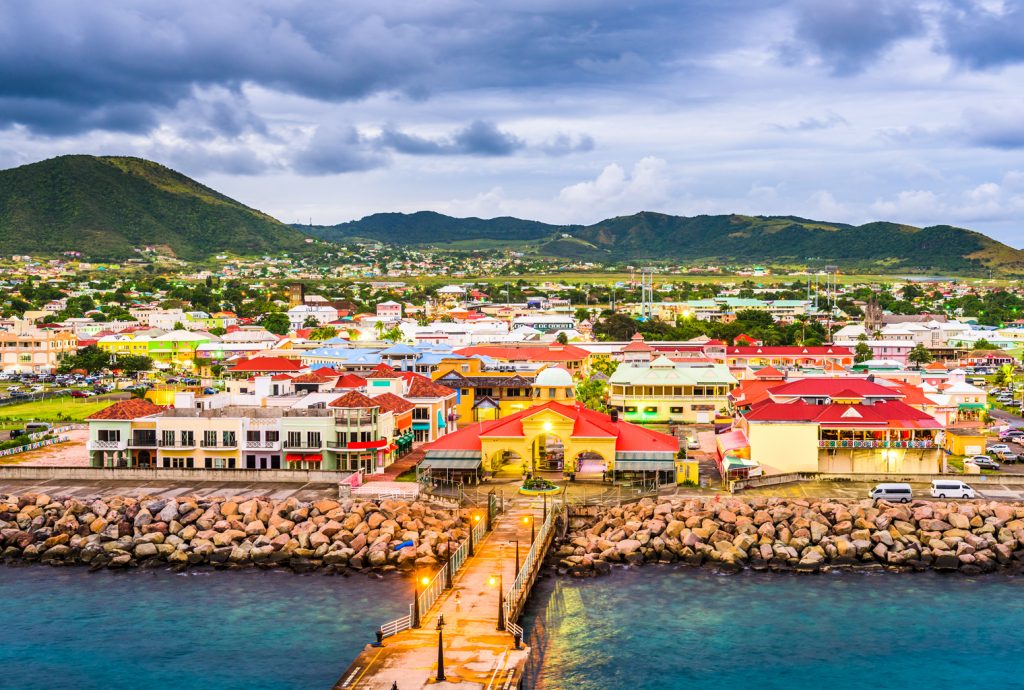
The Caribbean economy is opening up numerous potential investment opportunities for international investors, including Vietnamese investors. With favorable tax policies, citizenship-by-investment programs, and growth potential in sectors such as technology, tourism, and finance, the Caribbean has become an attractive destination for those looking to expand their business operations. Below are key aspects of the Caribbean economy, along with statistics, that could influence and facilitate Vietnamese investors in settling and investing in the region.

1. Citizenship by Investment Programs (CIP)
Many Caribbean nations, including St. Kitts and Nevis, Dominica, Antigua and Barbuda, and Grenada, offer citizenship-by-investment (CIP) programs, allowing foreign investors to obtain citizenship by investing from $150,000 in real estate projects, businesses, or government bonds. Since their launch, these programs have attracted more than 7,000 global investors in St. Kitts and Nevis alone.
- Impact on Vietnamese Investors: Vietnamese investors can take advantage of this opportunity to gain second citizenship while enjoying the benefits of international mobility. Specifically, passports from these Caribbean countries offer visa-free access to over 140 nations, including the UK, EU, and Singapore. However, investors must meet the financial requirements and comply with strict legal regulations.
2. Tourism-Dependent Economy
Tourism plays a vital role in the Caribbean economy. According to the United Nations World Tourism Organization (UNWTO), the tourism sector contributes around 15-40% of GDP for Caribbean countries, with destinations like the Bahamas, Jamaica, and Barbados being the most popular. In 2019, the Caribbean welcomed over 31.5 million international visitors, and the industry is rebounding after the pandemic.
- Impact on Vietnamese Investors: For those experienced in the tourism industry, this is a significant opportunity to expand businesses such as hotels, restaurants, and travel services. However, the reliance on tourism also means the sector is vulnerable to global economic crises or natural disasters.
3. Investment Opportunities in Agriculture and Fisheries
Agriculture and fisheries are essential, accounting for 20% of GDP in some nations like Dominica and Saint Lucia. Exporting products such as bananas, sugarcane, and coffee remains a primary income source. The Caribbean also boasts a developed fishing industry, offering a rich supply of seafood like tuna, lobsters, and other marine products.
- Impact on Vietnamese Investors: Vietnamese investors can leverage their experience in agriculture or fisheries to invest in these sectors. However, global commodity price fluctuations and natural disasters such as hurricanes and droughts pose challenges. In 2020, the Caribbean suffered approximately $3 billion in damages from natural disasters.
4. Risks from Natural Disasters
The Caribbean frequently faces hurricanes, floods, and earthquakes, severely impacting the economy and infrastructure. According to the Inter-American Development Bank (IDB), natural disasters cause average annual damage of $500 million to the region. The most affected sectors are tourism, agriculture, and real estate.
- Impact on Vietnamese Investors: Investors should have insurance plans and risk mitigation measures in place when investing in Caribbean projects. Purchasing disaster insurance and investing in sustainable infrastructure are essential steps to protect assets and business operations.
5. Offshore Financial and Banking Services
The Caribbean is a hub for offshore banking and international financial services. Leading countries in this sector, such as the Cayman Islands, the Bahamas, and Barbados, offer favorable tax regulations. According to the Cayman Islands Statistics Authority, the financial sector accounts for up to 40% of the nation’s GDP.
- Impact on Vietnamese Investors: Vietnamese investors can benefit from the favorable financial policies by participating in this market, including areas such as asset management, investment funds, or offshore financial services. However, strict adherence to international regulations on anti-money laundering and transfer pricing is required.
6. Small Market Size
The Caribbean has a relatively small population size, with most countries ranging from a few hundred thousand to a few million inhabitants. For instance, Jamaica has a population of about 2.9 million, while St. Kitts and Nevis has around 55,000 residents.
- Impact on Vietnamese Investors: With a small market size, Vietnamese investors may need to focus on niche markets or consider expanding into other countries in the region. Leveraging the CARICOM trade agreement could be a strategy to broaden business activities.
7. Digital Transformation and Technology Opportunities
Caribbean nations are focusing on digital transformation, especially in the fintech and e-commerce sectors. According to the World Economic Forum’s Technology Readiness Index, some Caribbean nations like Barbados and Trinidad and Tobago are making substantial investments in digital infrastructure, with total technology investment in the region reaching around $1.5 billion in 2022.
- Impact on Vietnamese Investors: Vietnamese experts in technology or software development can take advantage of this trend to develop fintech services or digital startups in the Caribbean, especially as the market is expanding rapidly.
Conclusion
The Caribbean economy offers a wide range of potential investment opportunities for Vietnamese investors, from tourism, agriculture, and finance to technology. However, investors should also consider challenges such as natural disasters and the small market size. With thorough preparation and the right strategies, the Caribbean can be an ideal destination to expand global business operations.
Seize the investment opportunities in the Caribbean now and explore the growth potential in this region!